Young Black Free-ish: A Design Review for Embroidery
A First Impression: Mood, Message, and Immediate Potential
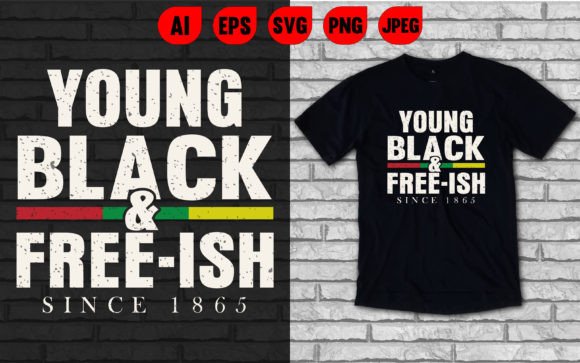
When I first looked at the Young Black Free-ish design, I wasn't just looking at letters and graphics. I was assessing a mood. This design carries a weight of celebration and contemporary identity. Its personality isn't loud or aggressive; it's confident, reflective, and culturally resonant. The layout and theme suggest it belongs on something personal, something worn or used with pride. As an embroidery designer, my mind immediately went to projects where the message is the centerpiece: a custom sweatshirt for a graduation gift, a tote bag for a community event, or an apron for a home cook who celebrates their heritage daily.
Where This Design Thrives in Real Embroidery Projects
In practical terms, Young Black Free-ish is versatile. Its typography and graphic elements translate well into stitch. For a custom apparel project, like a heavyweight sweatshirt, this design would become a statement piece. The satin stitch potential for the lettering would create a beautiful, raised texture that feels premium. I also picture it perfectly on a canvas tote bag—a popular item for craft fairs and Etsy shops—where the design's message adds value beyond mere decoration.
It naturally fits into the realm of personalized gifts. Think of a baby embroidery project on a heirloom blanket, where the "Free-ish" sentiment speaks to hope and legacy. For a small business owner creating holiday embroidery or wedding gifts, this design offers a meaningful alternative to generic motifs. As a patch, it could be stunning, applied to a cap or a backpack, offering a handcrafted, durable finish. The design’s nature makes it a strong candidate for boutique branding or small shop merchandise, especially for businesses focused on cultural apparel or thoughtful handmade products.
Visual Appeal and Customer Perception
Stitching this design well elevates the final product's value. Clean, crisp embroidery of the typography builds customer trust; it shows craftsmanship. The finished piece feels intentional, not mass-produced. This enhances giftability and recognition. For a creative entrepreneur selling on platforms like Red Bubble or through their own site, a well-executed embroidered product using this design can stand out in a digital product preview or printable mockup, directly impacting buyer engagement. It tells a story, which is the heart of a successful craft business.
Practical Considerations and Where to Use Caution
While I see great potential, embroidery requires a realistic eye. The detail level in Young Black Free-ish means you must consider stitch density and small details. On very small hoop sizes, tiny lettering might lose clarity. I'd avoid using it on overly textured or very thin, stretchy fabric without rigorous testing; the design's integrity could get lost.
Dark fabric backgrounds require careful thread color contrast planning. You need to select thread that pops but still respects the design's tone. For curved surfaces like caps, the layout might need slight adjustment to sit correctly. Also, on products destined for frequent washing, like kitchen towels or aprons, ensuring your stitch work is secure and using proper stabilizer is non-negotiable to maintain that professionalism over time.
A Real-Life Scenario: Preparing a Custom Embroidered Tote
Let's say a client requests a custom tote for a Juneteenth community gathering. I'd choose Young Black Free-ish. My process would involve testing the embroidery file on scrap canvas first. I'd check how the graphic elements translate into fill stitch areas and whether any corners are too detailed for clean stitching. I'd run a mockup on both light and dark fabric samples to decide on thread palette. Using a firm stabilizer is key here for a clean finish on the bag's structure. The result would be a product that feels both handmade and profoundly meaningful, exactly what the occasion calls for.
Essential Notes for Embroidery Designers and Makers
Before you run this machine embroidery design for any commercial embroidery project or personal gift, here is my practiced advice.
- Always test on scrap fabric first. This reveals how the design truly stitches out, informing your choices on thread, stabilizer, and even hoop size.
- Critically review the stitch density in your software preview. High density on large areas can make fabrics stiff.
- Inspect the small details. Are there any elements that might become a single, fragile thread? Reinforce them in your setup.
- Create black and white mockups. This helps visualize the design purely as shape and contrast, separate from color emotion.
- Confirm the licensing terms for this digital embroidery file. Before selling finished items or incorporating it into your digital product assets, you must know if it's cleared for commercial use.
- For applique design possibilities, assess if parts of this graphic could be beautifully executed with fabric layers, adding another dimension.
Ultimately, Young Black Free-ish is more than a graphic; it's a design asset with deep contextual power. Its success in your embroidery project hinges on your skill and thoughtful application. Match it with the right product—a dignified sweatshirt, a statement tote, a cherished baby item—and your craftsmanship will amplify its message, creating a finished product that resonates on every level.